Expansion and Efficiency. IPCC's Q2 2025 Push to Surge
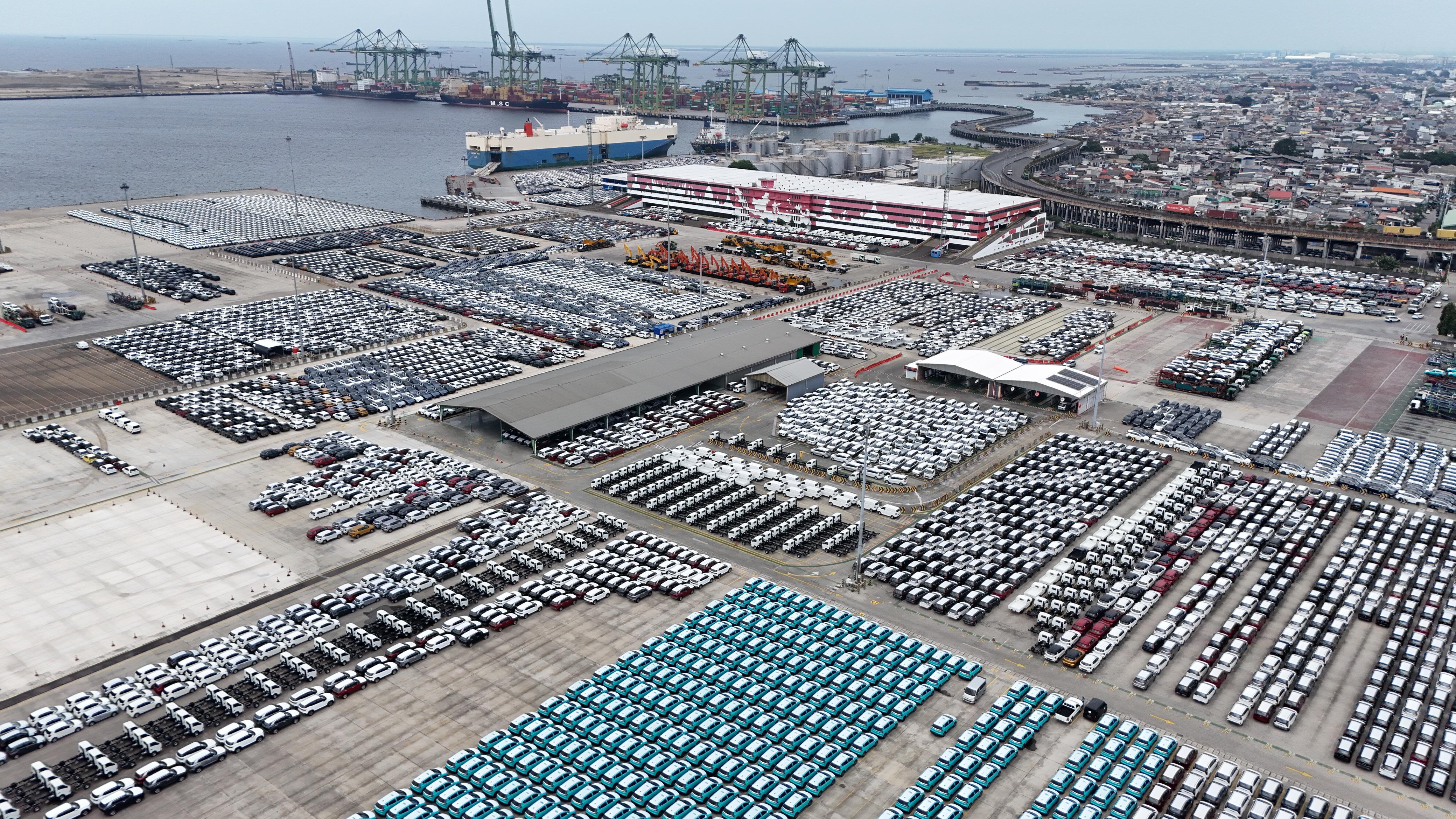
Jakarta, July 25, 2025. The growth of PT Indonesia Kendaraan Terminal Tbk (IDX:IPCC)'s consolidated cargo flow was supported by various supporting factors, including: an increase in export and import cargo, making sustainable changes to business patterns, operational transformation through system digitization and strengthening connectivity between terminals with satellite terminal expansion and sustainable business efficiency. As a subsidiary of PT Pelindo Multi Terminal (Pelindo Subholding in the non-packaging sector) and part of the Pelindo group, IPCC recorded a consolidated cargo flow growth of 10.9% year on year (yoy) or 52,562 units until June 2025.
The growth in cargo flow is directly proportional to IPCC's success in recording revenue growth of 15.35% or Rp 415.55 billion with net profit growth of 41.1% year on year (yoy) until June 2025 to Rp 113.85 billion. In the first half of 2025, the Company continues to strive to improve its brilliant and positive performance amidst uncertain global geopolitical conditions and the national motor vehicle (car) sales target from Gaikindo of 900 thousand units will experience a decline.
In the Financial Performance Report for the first semester period of 2025 which was submitted to the Financial Services Authority (OJK) and the Indonesia Stock Exchange (IDX) yesterday, terminal services are still the prima donna as a creator of IPCC's financial coffers, especially in the Jakarta Branch where this is indicated by the increasing number of EV (Electric Vehicle) cargo since the beginning of January 2025 from various brands such as BYD, Vinvast, Geely, and AION and other brands with a total of 28,978 units until June 2025.
According to IPCC President Director Sugeng Mulyadi, IPCC managed to record a positive and solid financial performance, where the increase in performance was driven by innovative strategies from IPCC Management in optimization, synergy and collaboration with various parties both internal and external to the Pelindo Group, one of which is the Pre-Delivery Center (PDC) service, which is a vehicle storage service before being sent to the destination port and logistics services with one of the automakers ". Changes in business patterns with strategic partners in the operational field also encourage the optimization of the Company's revenue thanks to the synergy and excellent communication from IPCC to each of the company's service users.
IPCC's Director of Finance, Human Resources and Risk Management, Wing Megantoro added that in terms of profitability ratios, the company showed a fairly good performance along with the increase in profit for the year above, making IPCC's Net Profit Margin in the first semester of this year well maintained at 26.24% and followed by an EBITDA Margin of 44.8%.
The Company pays special attention to how to manage costs effectively and efficiently, especially in the field of operations and all supporting lines which are expected to provide added value to IPCC shareholders. Until now IPCC has a very strong financial foundation characterized by not having loans in the form of bonds, banking or other financial instruments so that the funding space for business expansion is very open. Furthermore, in the financial performance report submitted, IPCC managed to record an increase in earnings per share in the first semester of 2025 which increased by 41.1% (yoy) to Rp.62.61 from Rp.44.37 per share previously.
Bagus Dwipoyono, Director of Operations and Engineering of IPCC, added “The company's strategic program has been running well, among others: standardization and transformation of the terminal, re-layout to optimize the use of the stacking field and increase terminal capacity, as well as digitalization of the operating system through the implementation of the PTOS-C system”. The entry of various brands from China, especially in the national electric vehicle (EV) ecosystem, followed by the construction of factories in the buffer zone of the capital city of Jakarta, is expected to encourage an increase in EV cargo flows, both exports and imports, thereby spurring domestic automotive sales growth in the coming year. In addition, the development of a sustainable business strategy and expanding the management of vehicle terminals in various parts of Indonesia, especially central and eastern Indonesia, in the hope of creating connectivity between terminals. “This connectivity is expected to reduce logistics costs through an efficient, integrated process, and always meet the expectations of customers and service users,” Sugeng concluded.